Dig & Clean Roblox Money and Museum Guide
Maximize gold from every dig — clean, polish, sell, or showcase with the right timing.
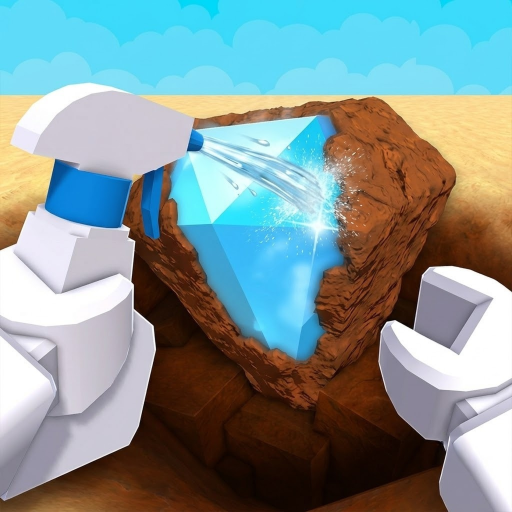
Gold in Dig & Clean flows from condition. A mythic pulled from Shipwreck Cove can sell for less than a polished rare if you skip cleaning steps — or it can fund your entire detector ladder if you spray, polish, and sell at peak quote. This guide explains the full economy pipeline: baseline cleaning with spray bottles, polishing station bonuses, museum versus quick sell NPCs, and when to display pieces instead of flipping them. Pair it with Gear Upgrade Path so you know when stats beat pricing tricks.
Every treasure belongs to one of seven rarities (Update 1 added Omega above Mythical), each with a ground glow color when detected. Rarity sets the price ceiling; condition sets where you land inside that ceiling. Early players who ignore condition still progress, but slowly. Mid-game players who polish selectively jump tiers without grinding extra hours.
The gold pipeline
Think of each find moving through four stages:
- Extract — detect, dig, and recover the item (Controls covers keybind speed).
- Clean — spray bottle raises condition from dirty defaults.
- Polish — polishing station pushes toward mint for premium quotes.
- Monetize — sell to NPCs or assign to museum display slots.
Skipping stage two or three sells immediately but leaves gold on the table. Skipping stage four hoards inventory you could convert into detector upgrades at the Gear Shop center.
Cleaning with spray bottles
After digging, equip your spray bottle and hold LMB until condition bars stop rising. Starter sprays plateau low on rare-plus items — that is expected. Upgrade spray tiers last in the standard order (detector first, shovel second, spray last), but do not skip cleaning entirely just because spray is low priority for purchases.
Even partial cleaning beats selling raw dirt-covered commons in bulk. The time cost is seconds per item; the quote difference funds shovel Power you need before island trips.
Polishing station deep dive
The polishing station sits near the museum strip in the hub. Interact with E to queue a treasure for an extra condition pass beyond spray limits. Polishing consumes time and sometimes a gold fee depending on tier — treat it as an investment, not a mandatory step on every common.
When to polish:
- Rare and above headed for immediate sale
- Epic and legendary finds before activating short luck codes like SECRET10 from the Codes page — one big sale during a ten-minute window beats ten mediocre flips
- Mythic items unless you intentionally display them
When to skip polish:
- Bulk common and uncommon flips during fast grind sessions
- Treasures you will sell sub-optimally anyway to unlock Shipwreck Cove travel quickly (Getting Started covers unlock timing)
Polishing improves condition and therefore value multipliers at museum quotes. The exact numbers shift with patches, but the relative rule holds: mint condition epic beats scratched epic by a wide margin.
Museum versus quick sell
Dig & Clean offers at least two monetization paths: a museum system that rewards display-quality pieces and standard sell NPCs that convert inventory to gold instantly.
Quick sell suits commons and uncommons during detector farming. Speed matters when UPDATE1 luck timers tick.
Museum sales and displays suit rare-plus items where condition work pays back. Update 1 added a museum second floor with eight additional pedestals — ideal for polished Mythical and Omega trophies. See Omega Items for endgame display strategy.
Rule of thumb: if polishing raised condition past the halfway mark on a rare or better, route it through museum quotes before accepting the first quick sell popup.
Rarity versus condition pricing
| Factor | Effect on gold |
|---|---|
| Rarity tier (7 total) | Sets base quote band |
| Clean vs dirty | Moves you up or down inside the band |
| Polish status | Pushes toward top of band |
| Code timing | Indirect — better finds to sell, not higher sell multiplier |
Luck codes from Codes do not buff sell prices directly. They help you find better rarities worth polishing. Use UPDATE1 (2× Luck, 30 min) for volume flips; use SECRET10 (10× Luck, 10 min) when you have inventory space and polish materials ready for one big payout.
Session strategies by progression
Early game (pre-detector tier 2): Sell almost everything fast. Spray commons once if time allows, skip polish, bank gold for detector upgrades per Gear Upgrade Path.
Mid game (Shipwreck Cove unlocked): Polish rares and epics from island tables. Quick sell commons on the boat return trip to fund shovel Power.
Late game (high gear tiers): Display trophy mythics if collection goals matter; otherwise polish and flip for incremental detector min-maxing or future map unlock fees at the edge pirate NPC.
Inventory and timing discipline
Full inventory blocks new digs. Sell or display before activating SECRET10 — a ten-minute 10× luck window wasted on “inventory full” popups is a common mistake.
Batch processing helps:
- Dig until inventory nearly full.
- Spray everything once at base camp.
- Polish only rare-plus.
- Museum sell high tiers, quick sell bulk low tiers.
- Redeem luck code and repeat.
Island loot and sell order
Shipwreck Cove drops skew toward higher rarities but harder nodes. Shovel Power from upgrades matters before you extract loot worth polishing. When returning from an island run, sell lower tiers first to free slots before polishing expensive pieces — polished items sometimes lock slots differently depending on patch UI.
Gold sinks that matter
Spend gold on meaningful power, not cosmetic dead ends early:
- Detector Luck — more valuable digs to polish
- Shovel Power — reach island node depth before despawn
- Spray throughput — faster cleaning between polish queues
- Island travel fees — unlock tables that feed the museum pipeline
Avoid hoarding gold beyond the next upgrade breakpoint listed in Gear Upgrade Path. Stagnant gold does not earn interest; displayed commons do not impress visitors.
Common economy mistakes
Selling pre-spray — always allocate ten seconds to clean unless you are speed-clearing tutorial junk.
Polishing commons — opportunity cost kills your gold per hour.
Displaying everything — museum slots are not infinite; flip low tiers.
Ignoring codes before polish sessions — generate better raw material first, then polish the winners.
Related guides
- Getting Started — tutorial sell and island unlock
- Controls — faster museum trips with clean movement
- Gear Upgrade Path — upgrade order for better raw finds
- Codes — luck boosts before high-value polish sessions
- Guides Hub — full guide index
Gold follows condition discipline. Clean every dig, polish what matters, sell the rest, and reinvest through the Gear Shop until Shipwreck Cove runs feel routine instead of risky.
Frequently Asked Questions
Quick answers to the most common Dig & Clean questions.
Does polishing increase sell price in Dig & Clean?
Yes. The polishing station raises condition beyond spray cleaning, which increases museum and sell NPC quotes on rare-plus treasures.
Should I sell or display commons?
Sell commons and uncommons quickly for upgrade gold. Reserve museum slots and polish time for rare tiers and above.
When should I use the polishing station?
Polish rare, epic, legendary, and mythic items you plan to sell soon. Skip polish on bulk commons during fast grind sessions.
Do luck codes increase sell prices?
No. Codes like UPDATE1 and SECRET10 boost Luck for finding treasures, not direct sell multipliers.
Where do I sell treasures?
Use museum NPCs for premium quotes on polished high-tier items and quick sell options for bulk low-tier flips near the hub.
What is the biggest early-game money mistake?
Selling dirty rares without spraying or polishing. Condition work on one rare beats dozens of rushed common sales.